ANDRES.RPEREZ

heat affected zone

Heat-Affected Zone

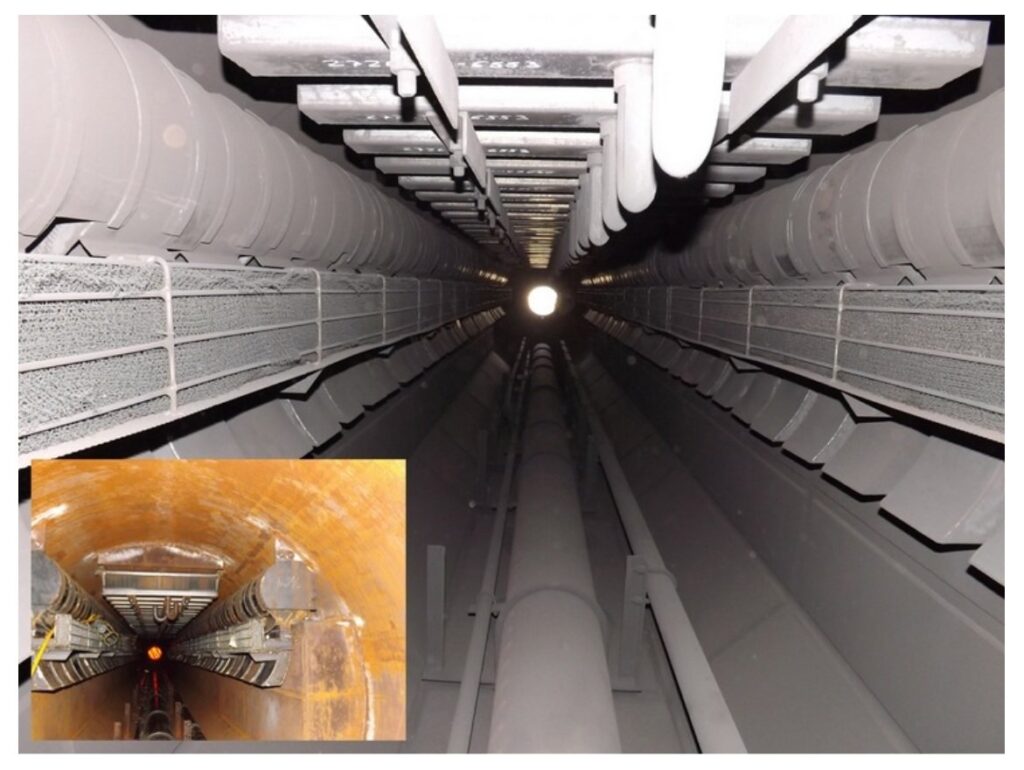
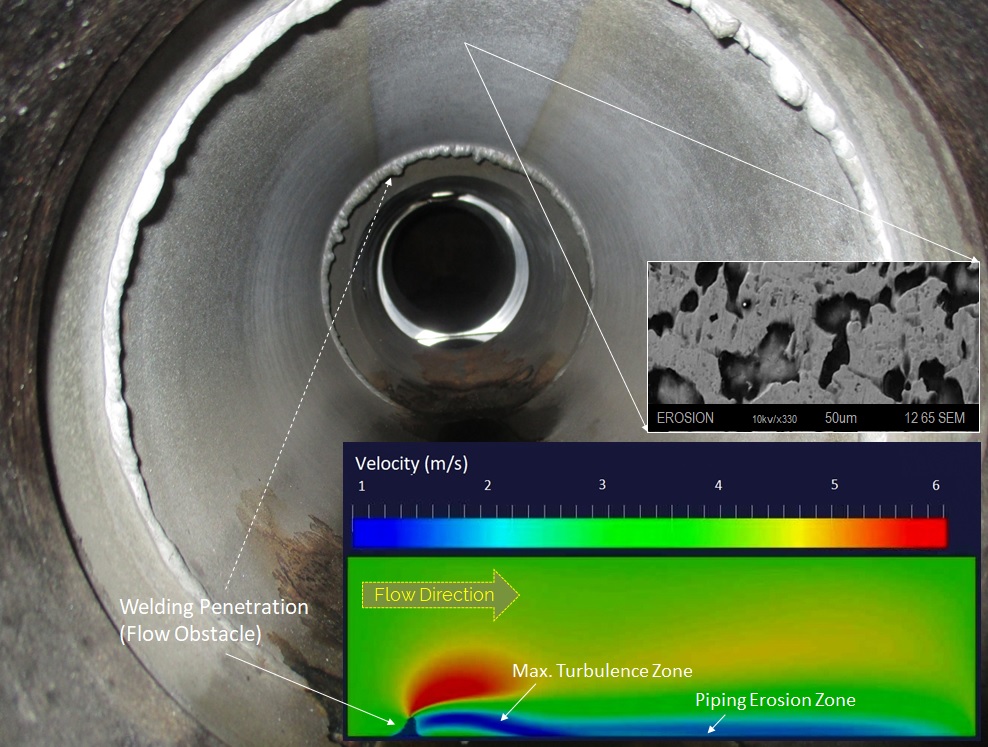
Heat-Affected Zone Circulation Ratio Heat-affected zone infiltration may be a potential cause of erosion/corrosion failures of carbon steel piping when exposed to a continuous stream of wet steam or feed water. The problem is associated with high-velocity and turbulences created by the presence of the welding penetration as a flow obstacle. The deterioration is developed

Heat-Affected Zone Read More »
Intergranular Corrosion

Intergranular Corrosion

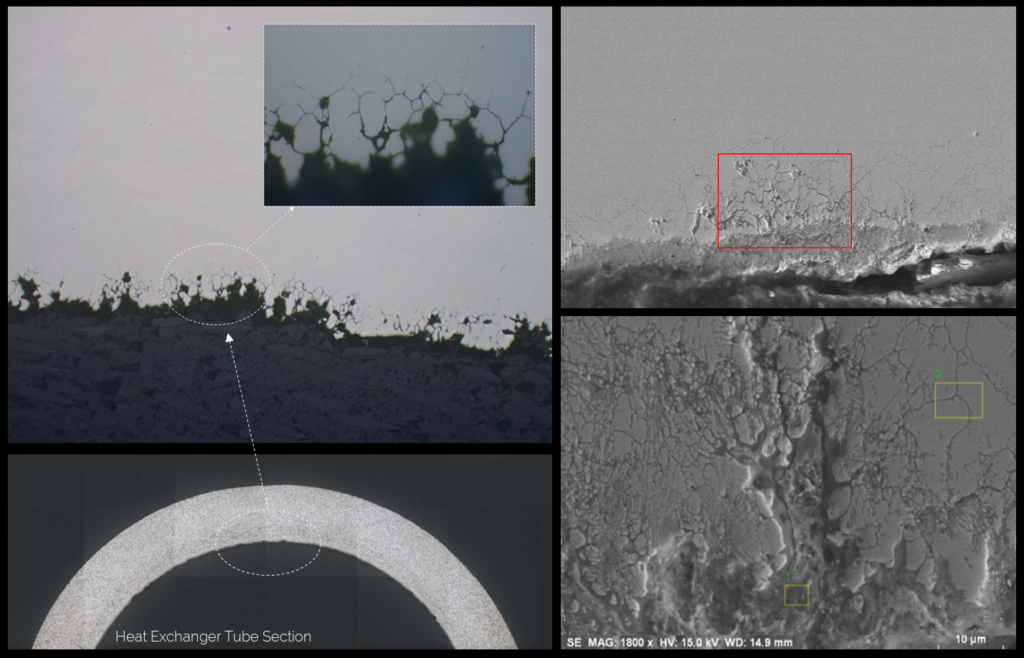
Intergranular Corrosion Background Austenitic Stainless Steels present corrosion resistance ability due to high chromium (Cr) content. Chromium naturally forms a thin, adherent and very protective passive oxide layer when exposed into corrosive aqueous environment which is primarily the reason of its high resistance capabilities. When austenitic stainless is exposed to a corrosive aqueous environment, chromium

Intergranular Corrosion Read More »

Mollier

Superheated Transition Zone

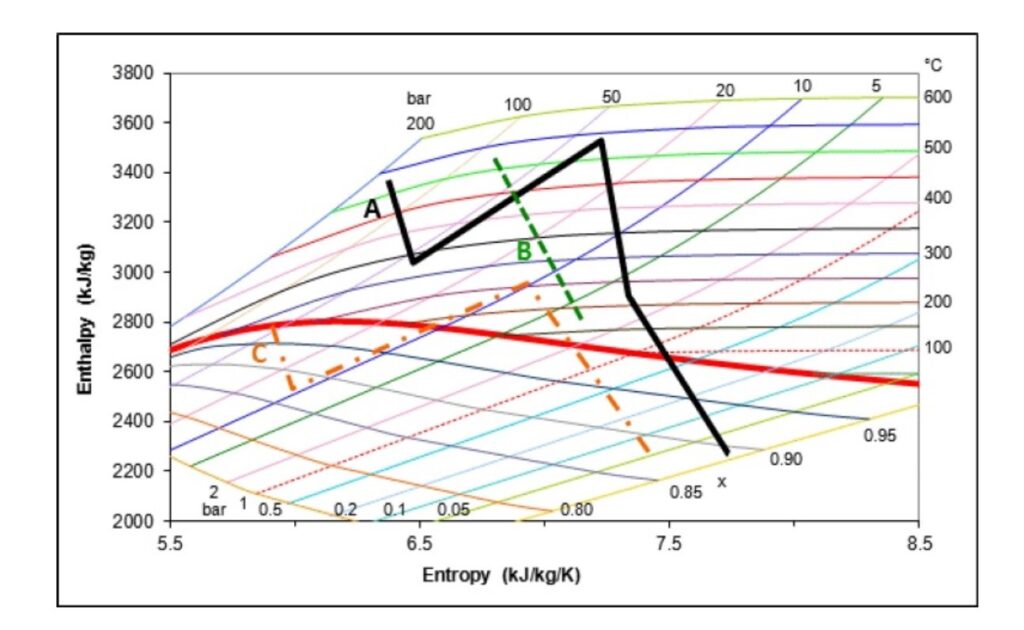
Heat Transition Zone Introduction As superheated steam enters in the transition zone of the turbine and expands into LP section, steam may cross the saturation line, in the Mollier diagram, to eventually form nucleation of moisture drops on blades and disk surfaces. Consequently, a number of physical-chemical processes will lead to mechanical corrosion-related damage: precipitation

Superheated Transition Zone Read More »

Chemical Cleaning

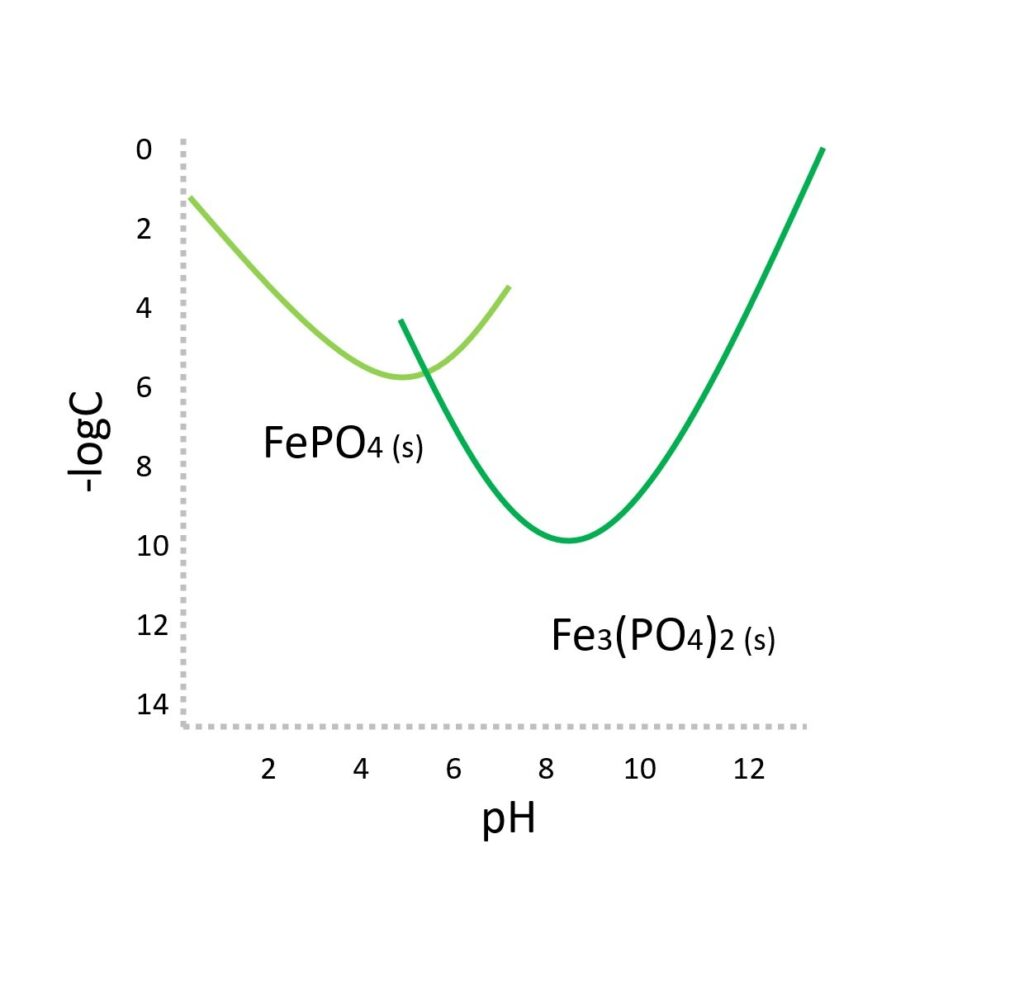
Chemical Cleaning Description Chemical cleaning assignments must be evaluated with regard to the technical efficacy and economical cost. Technical efficacy must consider a deep understanding of the chemistry involved in the process and the nature of the deposit constituent to effectively determine the efficiency and selectivity of the solvents during the removal of the impurity.

Chemical Cleaning Read More »

Scroll to Top